The 23rd February 2024 was a big day for There’s A Way Studios. We launched our first game, Becoming The Villain, showcased it at a prominent local games event, and won an award!
Now that the dust has settled, we’re reflecting on our journey to the launch, the decisions we made, the results, and considering what we would do differently if we had the chance to do it all over again. We’ve also included some advice for anyone who’s launching their first title.
There’s A Way Studios’ is a small, independent tabletop game studio. Please consider supporting us, we really appreciate it.
- Our First Game Launch
- Launch Strategy
- Launch Day
- What Went Well
- What Could We Have Done Better?
- Our Advice
Our First Game Launch
Releasing our first game was an incredibly exciting moment for us. It represented the culmination of almost a year’s worth of development and testing on Becoming The Villain. It also marked the achievement of our primary goal for setting up There’s A Way Studios: to make and publish our own games! We wanted to do our best to make our first launch as impactful as possible, we knew we had to be strategic given our small team size.
Launch Strategy
Our strategy began with a fundamental question: “What do we want to achieve with this launch?” As a small company debuting our first product, we aimed to maximise exposure for our game and, by extension, our studio. This objective led us to set a lower price point for our game and explore cost-effective methods to generate traffic. To gauge our success, we set modest targets: sell at least 10 units on launch day, including at least one to a customer who didn’t personally know us.
We collaborated with our friends at Quiver Games to secure a showcasing spot at their Checkpoint event, a well-known networking and showcasing event for game developers. This opportunity provided us with a booth and a chance to pitch our game to gaming enthusiasts.
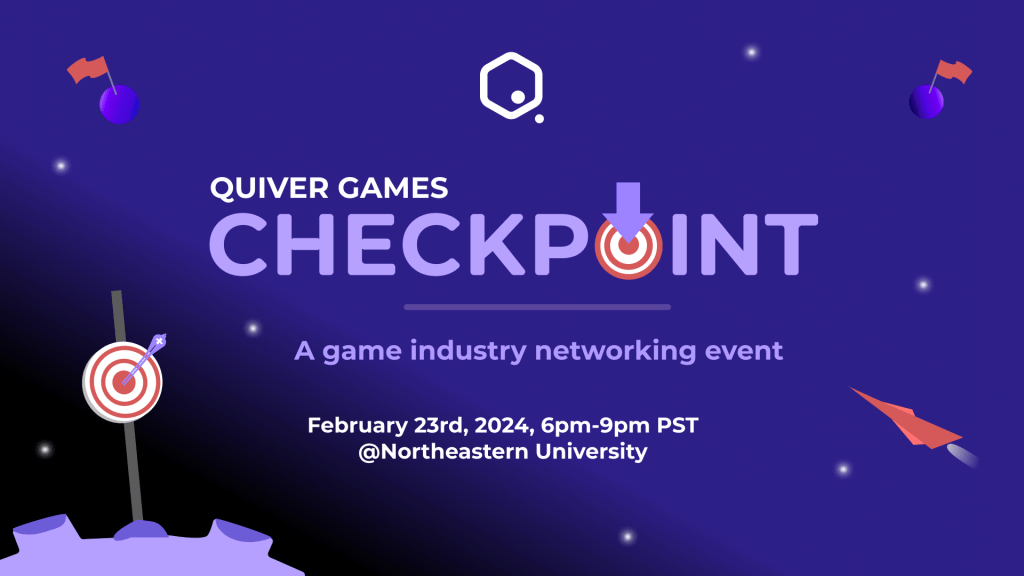
Having a “launch event” gave us a clear deadline to focus on. This allowed us to plan backwards, considering what needed to happen between that point and the launch.
In the limited time before the launch, we outlined the necessary steps and created a roadmap, prioritising tasks into three categories: “Must do”, “Should do”, and “Nice to do”.

Understanding our priorities and timelines enabled us to allocate tasks effectively within the company, focusing on our “must-do” tasks.

We held regular meetings to monitor our progress and discuss any challenges we faced. As a result, not only was the game ready for launch, but we had also created some buzz by collaborating with our YouTuber friend Toasthammer to release a video featuring “Becoming The Villain” on launch day.
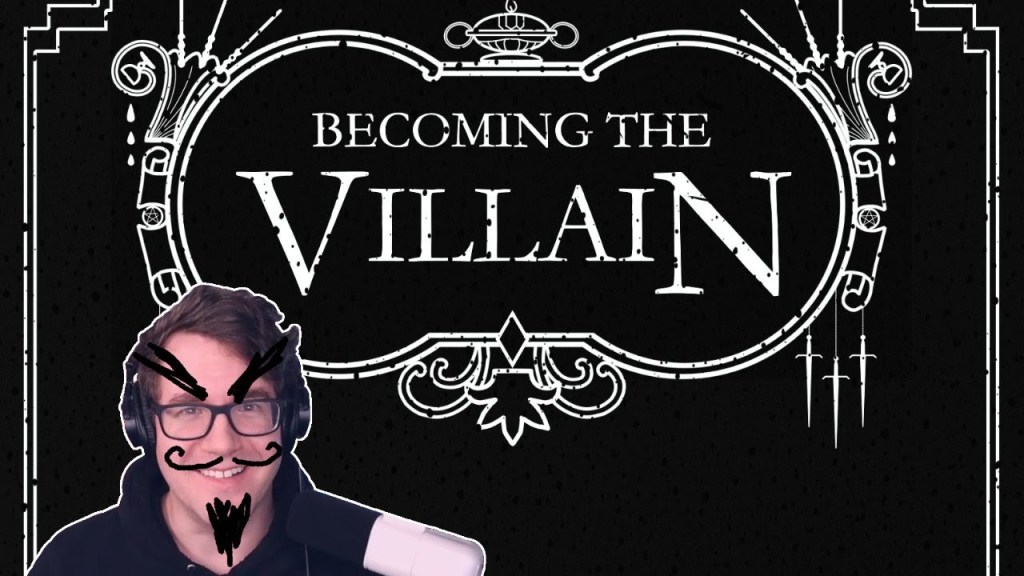
Will Primrose focused on the website and financial aspects—ensuring our payment systems were operational and setting us up on other merchants’ websites—while I concentrated on polishing the game as much as possible before launch day.
The final few weeks were incredibly busy, but by the end, we had:
- A completed game ready for launch.
- A YouTube video featuring our game ready to premiere on our partner’s channel.
- Merchant websites set up and operational.
- A strategy for creating a memorable experience for those visiting our booth at the Quiver Checkpoint.
- Sponsored posts on social media promoting our game.
- A countdown clock for the launch on our website.
- Some initial promotion among local gaming groups.
Launch Day
I remember shaking as I watched the countdown to launch. It was a mixture of excitement, nerves, and relief at having reached this milestone. After that, we focused on the Checkpoint launch.
Without our own branded merchandise, we decided to create a brand identity by dressing in monochrome and black-and-white plaid, matching our website aesthetic and the cover of our game.
We set up our booth with tarot cards, images from the game, and some printed copies. It was exhilarating to discuss a product we had created with others. Everyone we talked to was friendly, supportive, and enthusiastic about “Becoming The Villain”, even suggesting new ways they could use it to generate cool characters in ways we hadn’t considered.
Explaining the game repeatedly to a large number of people turned out to be a valuable exercise. It became progressively easier to articulate the core concept, the gameplay, and why it’s fun.
We even invited attendees to pull cards and contribute a chapter to an epic-length version of “Becoming The Villain”, which we played at our booth.
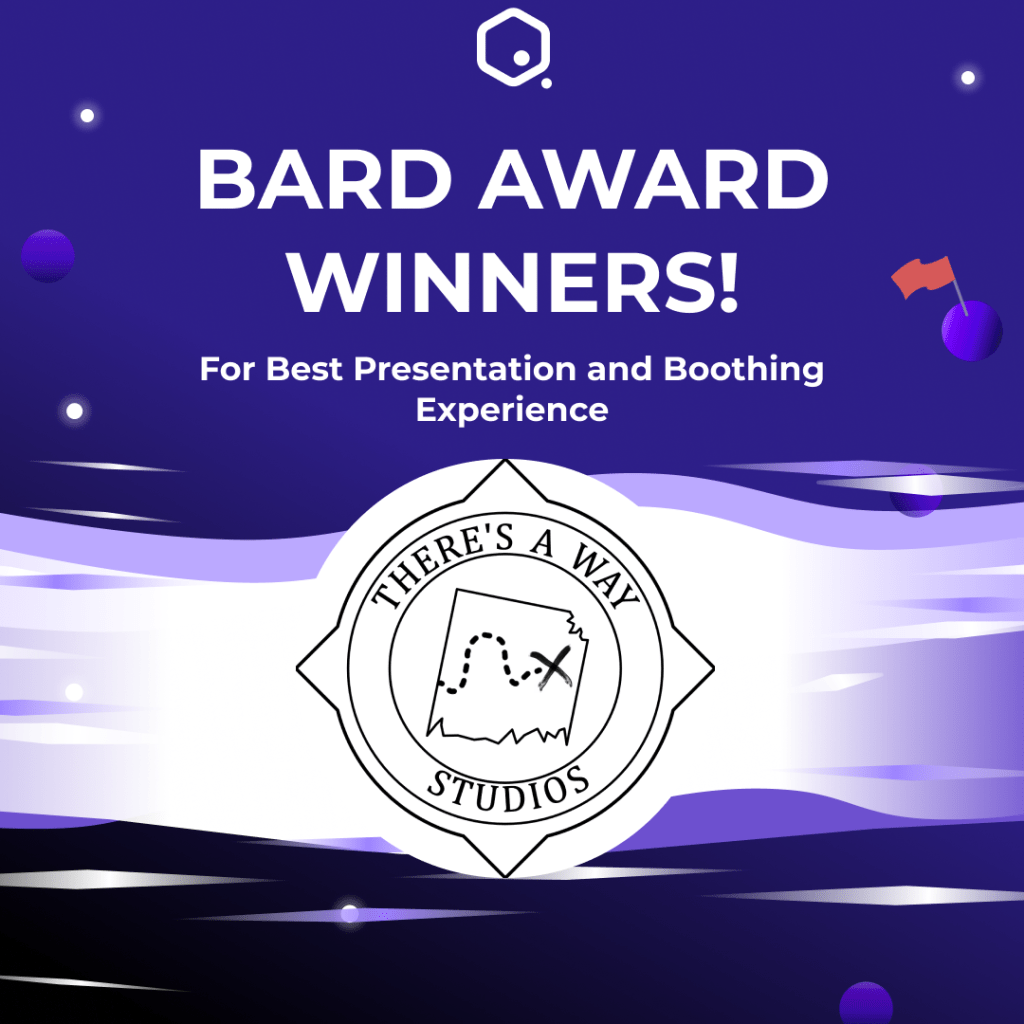
The evening was a success, culminating in us winning the Bard Award for best game presentation and best booth experience.
What Went Well
- We Reached Our Target: We achieved 13 sales on launch day. Although most were from supportive family members and friends, two were from complete strangers. This success confirmed that we could effectively communicate our game’s concept to people who were then motivated to buy it. We are incredibly grateful to everyone who has supported us and our games.
- Winning an Award: It was an unexpected surprise, but we were thrilled to be recognized for our hard work on our game, presentation, and booth experience.
- Everything Worked on Time: Thanks to a detailed roadmap, excellent communication, and dedication, we executed all of our top priority tasks on the day of the launch. Everything was tested and worked immediately, allowing us to avoid any significant issues.
- YouTube and Social Media: Our partnership with YouTube generated 9 click-throughs to our site on launch day, providing additional exposure. Our boosted social media posts generated significantly more traffic to our website around launch day and proved to be a worthwhile investment.
What Could We Have Done Better?
There’s a lot that went right here that we’re very happy about. But I’m obsessive about improvement. With a small team and limited resources, I wasn’t expecting perfection. Here are some things we’d like to improve for future launches:
- Create More Pre-launch Buzz: While we did engage in some social media activity, we believe we could have done more to build anticipation for our game. In the future, we could organize photo shoots with a printed copy of “Becoming The Villain” before the launch, create and post videos of us playing the game, inform our playtesters about the release, and reach out to RPG player groups on social media.
- Upgrade Our Website for Improved Tracking: As someone with a keen interest in analytics, I find our current website’s capabilities somewhat limiting. It operates on a basic WordPress package that restricts us from creating affiliate links and offers limited analytics. Although we initially chose this to keep costs low, enhancing our website to better track traffic sources and conversion rates is something we’re considering for the near future.
- Have Better Images of the Game: Something that only occurred to me after our launch was having some cool pictures of the game itself. We were relying on screenshots of the title page and, while cool, more could have been done to sell the game aesthetic and themes.
Our Advice
If you’re launching a game or product, here’s what we’ve learned:
- Set a Goal and a Strategise: Carefully consider what you want to achieve and figure out how you’re going to get there. Make sure your goal is measurable so you know if you have achieved it or not. Make a plan and ruthlessly prioritize your tasks to make it happen.
- Start Creating Buzz Early: Talk about your game with everyone, boost social media posts, share your progress, post screenshots, and join groups. Be proactive and somewhat unabashed in promoting your game.
- Practice a Great Pitch: Have a concise pitch practised and ready to go.
- Create a Great Experience at Your Exhibition Booth: Have engaging activities and a system in place to keep traffic flowing smoothly through your booth. This means that attendees have a more memorable experience and facilitates more interactions.
- Take Time to Celebrate Your Achievement: When launching your game, there always feels like there’s more you could be doing. Make sure you take the time to congratulate yourself on a job well done.
I hope this entry has been helpful. If you have any thoughts on launching games or products, feel free to leave a comment. If you’d like some advice or more details, you can reach us at: theresawaystudios@gmail.com.
There’s A Way Studios’ first game “Becoming The Villain”, is now available for purchase.
There’s A Way Studios
There’s A Way Studios is an independent game design studio based out of Vancouver, British Columbia.
Newsletter
Want to stay updated on our design journey and hear about new games when they launch? Subscribe to our newsletter!
Designed with WordPress.com.
 There's a Way Studios